
Category: Learning
-

A more controlled palette relies less on color separation and more on value and structure—which can help a piece stay readable as it heals and ages.
-

Before a single drop of color touches the skin, the linework has to stand on its own. Clean, intentional lines aren’t just structure—they’re the framework that everything else depends on.
-
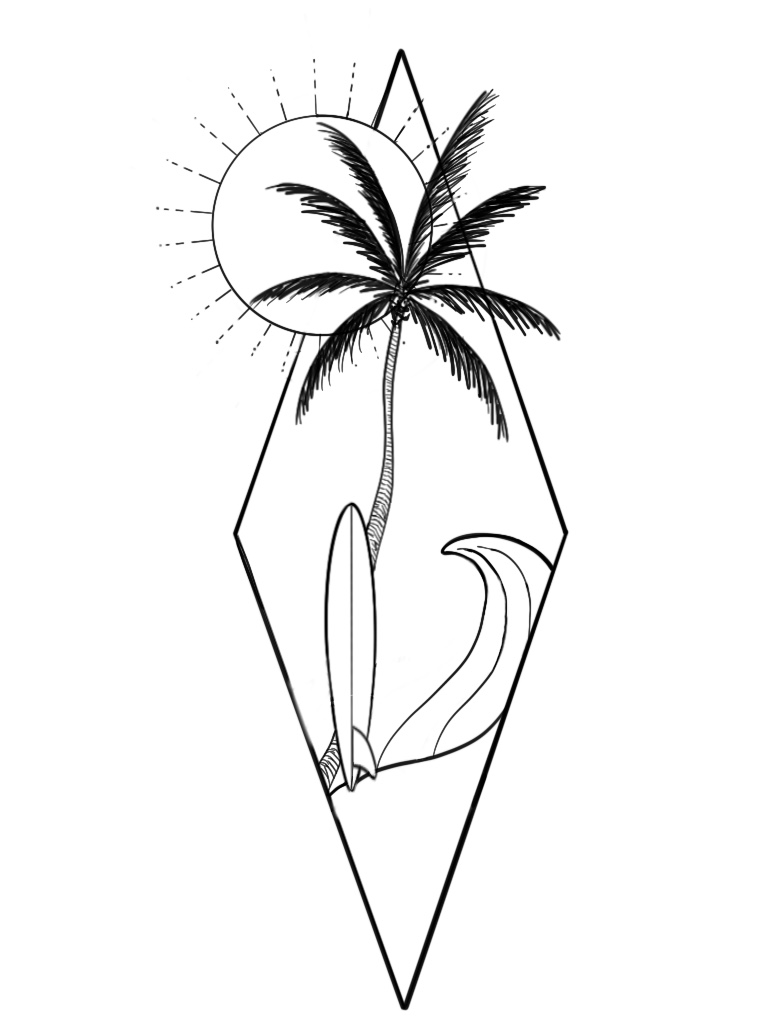
Tattooing is often thought of as decoration. But at its best, it’s collaboration. Each must trust the process. The client brings the meaning. The artist brings the visual language. Somewhere between those two things, the real design emerges. And when it does, what started as a vague idea becomes something permanent, clear, and personal.
-

If you’re going to get a tattoo, speak with authority, build something that lasts, or guide others, don’t stop at knowing. Verify. Read the source. Ask better questions. Do the work. That’s how knowledge becomes leverage—and leverage, used well, becomes freedom.
-

The First Time I Thought of Myself as an Adult During group therapy this week something someone shared brought up a memory I had not thought about in decades. I revisited this memory that shaped how I see myself even now. It was the first time I truly felt like an adult. I was stationed…
-

Jung said, “Until you make the unconscious conscious, it will direct your life and you will call it fate.” Our subconscious anchors us — but sometimes it also traps us.
-
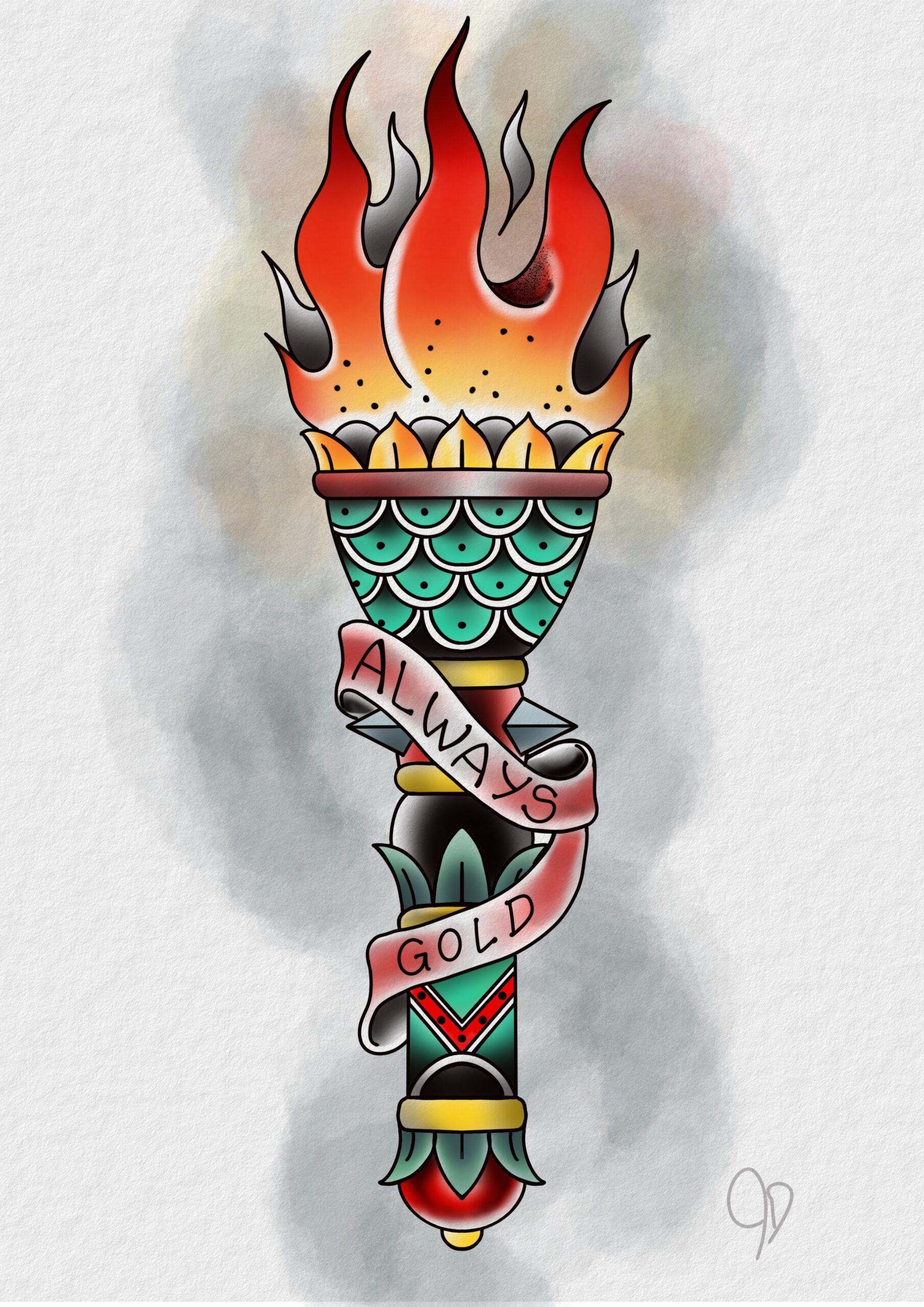
Every tattoo has two sides — the artist’s and the client’s. One holds the tools, the other carries the story. Together, they form something that neither could create alone.
-

Tattooing isn’t just about marking the skin — it’s about respecting the form beneath it.
-

A tattoo’s first flash of brilliance — when it’s fresh, new, and shining — is unforgettable. But the real goal is keeping that energy alive as it heals and settles. That’s what good aftercare does. It preserves the art, the meaning, and the memory behind it.
-
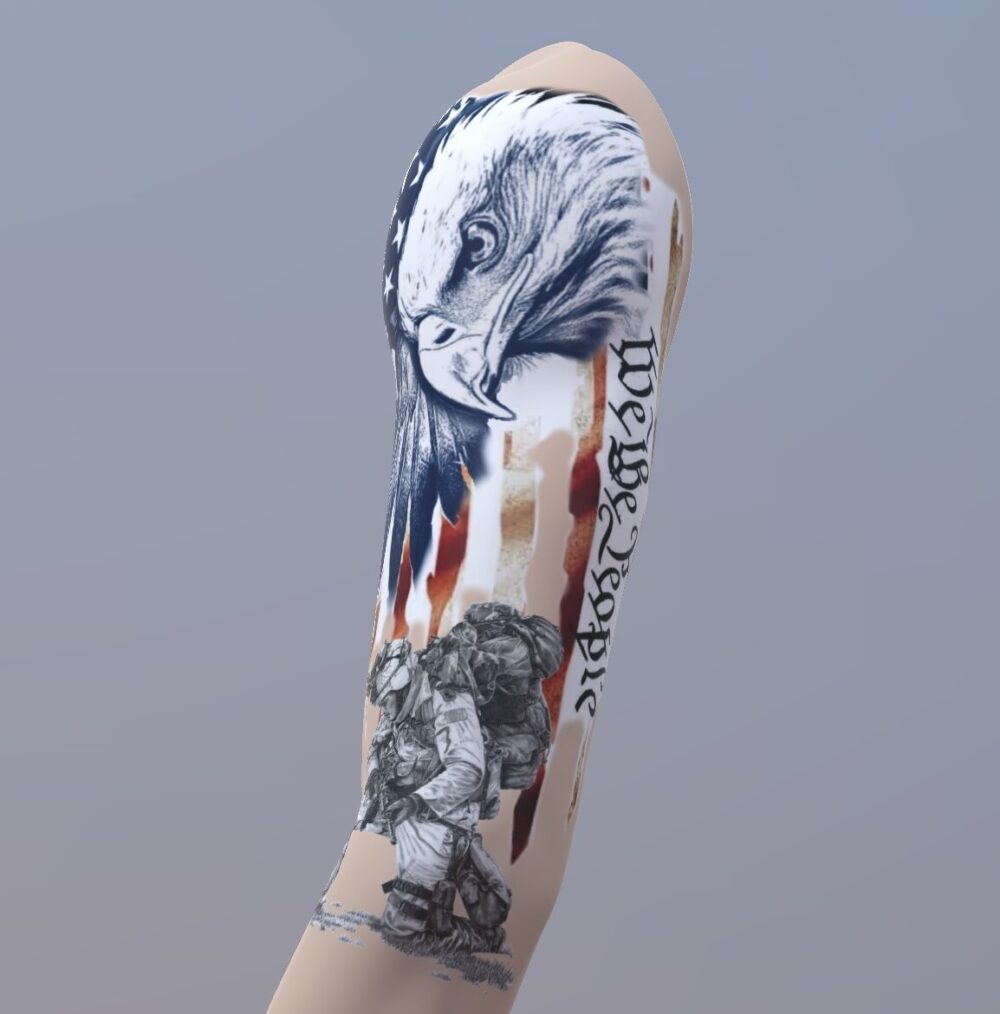
Your tattoo journey is more than a single appointment — it’s a collaboration rooted in respect, communication, and trust.